





 English






What are the Allergic Symptoms in Infants During the Transition to Supplementary Food?
Infancy is the most sensitive and vulnerable period of humanity. A mother who wants to raise her child in a healthy and worry-free way must deal with many of the problems of transitioning to supplemental food.
Infancy is the most sensitive and vulnerable period of humanity. The task of protecting a baby who is completely susceptible to many external influences is on the mother's shoulder. A mother who wants to raise her child in a healthy and worry-free way must deal with many of the problems of transitioning to supplemental food. During breastfeeding, all of the baby's needs can be met through breast milk.
Even so, allergies can occur during the transition to supplemental food. Baby allergies are a very important health issue that must be taken seriously. Therefore, we recommend that mothers with allergic symptoms in infants should consult a doctor. So how do we detect allergic symptoms in infants?
What Are Allergic Symptoms?
Allergic symptoms in infants can occur in the form of diarrhea, constipation, vomiting, abdominal pain, and rash or redness on the skin. These allergic reactions can disturb your baby's peace in the slightest case, but in severe cases, they can seriously threaten your baby's health.
The first step in reducing the risk of allergies is to choose supplemental foods very carefully. For this reason, to increase food during the transition period, we recommend that mothers start with fresh vegetables and fruits, and the risk of these allergies is low. It is also important not to choose vegetables and fruits at will. When choosing fresh fruits and vegetables in the original season, it is necessary to avoid foods that may cause allergies, such as strawberries.
Give Foods Separately
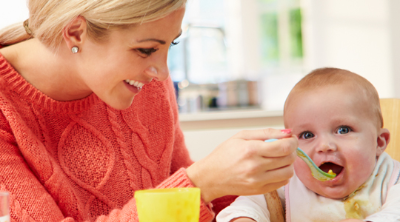
Another issue that should be considered when transitioning to supplemental food is to feed the baby separately, if possible, without mixing. In this case, in the first phase of the transition, we recommend that mothers not give food to babies, which are a mixture of several vegetables, such as vegetable soup. The main reason is that it is difficult to find out which nutrients cause allergies in the case of food allergies in this mixture.
In addition, during this period, it is important not to feed the baby with supplements such as sugar, salt, spices, etc., and to keep the baby away from foods containing food coloring, additives or preservatives.